















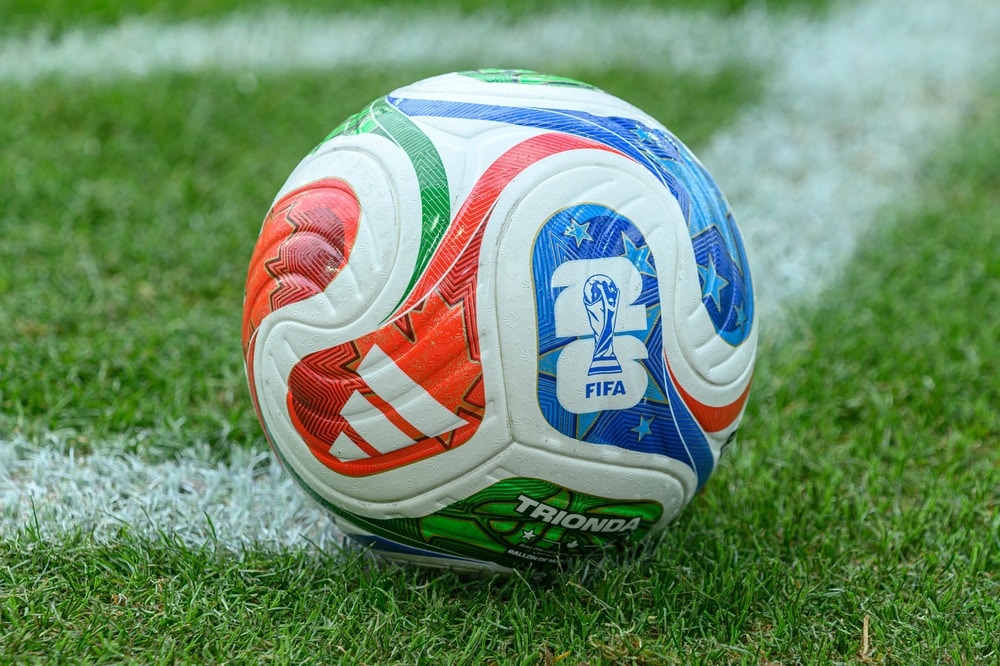
As the 2026 FIFA World Cup prepares for its Thursday kickoff, the global soccer community is bracing for a historic shift in the tournament’s landscape. This edition marks a significant milestone as the field expands to 48 nations, the largest in the history of the competition. With more teams and more matches on the schedule, the road to the final on July 19 will be a grueling test of endurance and strategy.
Understanding the Group Stage Format and Scoring
In standard play, a soccer match is conducted over two 45-minute halves, totaling 90 minutes of regulation time. During the initial phase of the 2026 World Cup, the 48 participating teams are organized into 12 groups, with four squads in each. This stage follows a traditional round-robin format where the result at the end of 90 minutes is final.
The points system for the group stage is straightforward: a victory earns a team three points, a loss results in zero, and a draw awards one point to each side. It is important for fans to note that during this phase, games can end in a tie. There is no “extra time” played during the group stage, as the point distribution is designed to determine the rankings over the course of three matches.
Transitioning to the High-Stakes Knockout Rounds
Once the group stage concludes, the tournament shifts into the knockout rounds, where the margin for error disappears. Starting with the Round of 32—an addition necessitated by the expanded field—and moving through the Round of 16, quarterfinals, semifinals, and the World Cup final, every match must produce a winner. If the score remains level after the initial 90 minutes of regulation, the game proceeds to extra time.
Regulations for Extra Time and Substitutions
Extra time consists of two 15-minute periods, providing a maximum of 30 additional minutes of play. It is a common misconception among casual viewers that the “Golden Goal” or sudden-death rule is still in effect. FIFA officially retired the Golden Goal rule following the 2002 World Cup; today, the full 30 minutes must be completed regardless of how many goals are scored during the extra periods.
If a team finds the back of the net in the first 15-minute segment, the match continues into the second segment, allowing the trailing team an opportunity to equalize. To help coaches manage player fatigue during these high-intensity periods, FIFA grants each team one additional substitution once the match enters extra time, bringing a fresh tactical element to the closing stages of the game.
The Final Tie-Breaker: Penalty Shootouts
Should the score remain deadlocked even after the full 30 minutes of extra time, the match is decided by a penalty shootout. This high-pressure format sees individual players go one-on-one against the opposing goalkeeper from the penalty spot. This dramatic conclusion is often how the world’s biggest prizes are decided, much like the 2022 World Cup final where Argentina triumphed over France in a clinical display from the spot to secure the trophy.
Summary of 2026 World Cup Match Rules
The 2026 FIFA World Cup combines traditional soccer regulations with specific tournament formats to manage its new 48-team structure. While the group stage allows for draws and focuses on point accumulation, the knockout rounds introduce 30 minutes of mandatory extra time and potential penalty shootouts to ensure a definitive winner. Understanding these nuances—from the absence of the Golden Goal to the allowance of an extra substitution—is essential for fans following the journey to the final on July 19.