













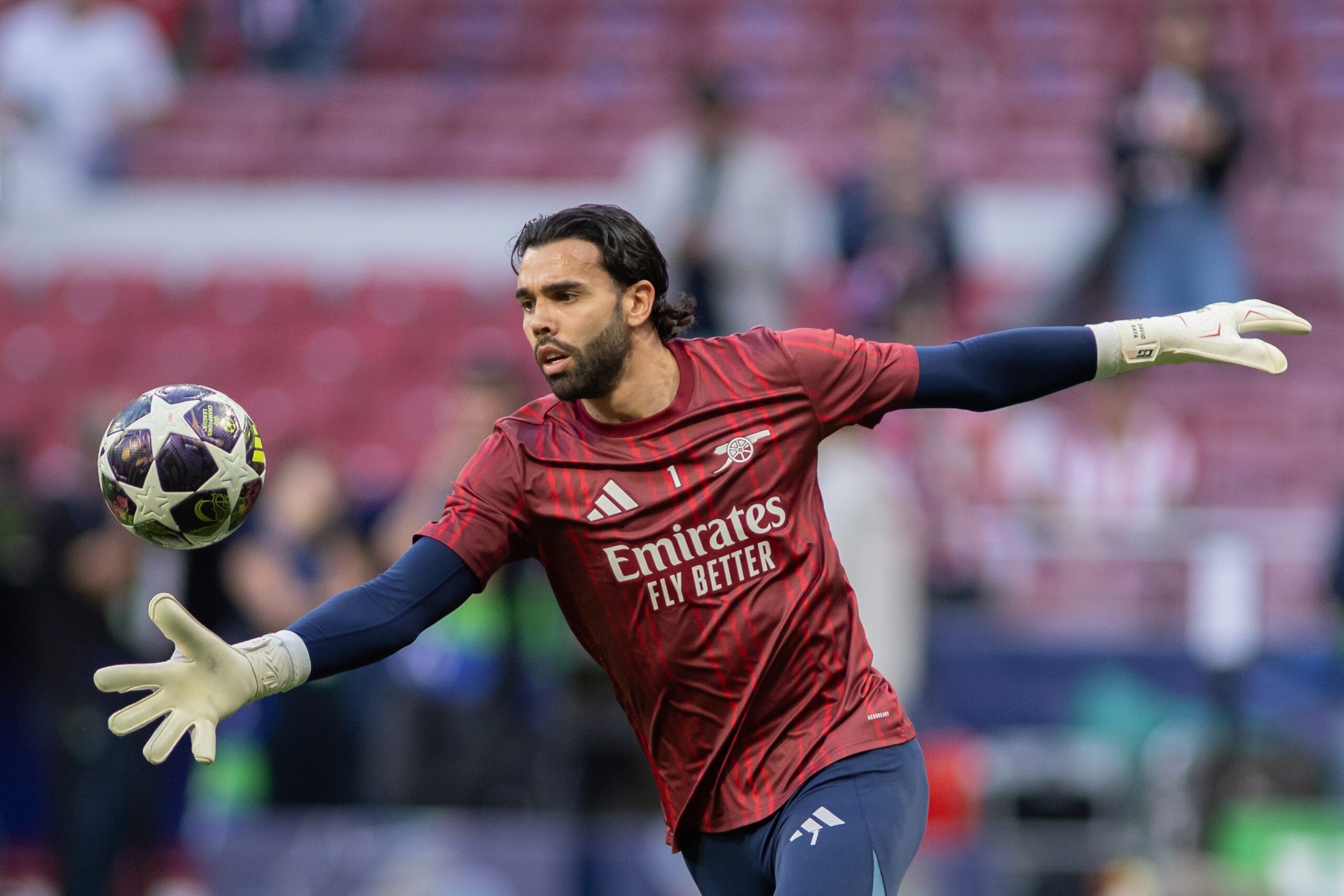
Arsenal’s quest to overcome state-backed footballing powerhouses ultimately reached its limit. Despite a Herculean defensive effort—characterized by relentless shot-blocking and disciplined positioning—the physical and mental toll on Mikel Arteta’s squad was evident. The Gunners gave everything they had, yet the narrowest of margins separated them from European glory.
Following the heartbreak, Mikel Arteta appeared to recognize the missing ingredient. When questioned about the need to transition toward the “fluidity and freedom” displayed by opponents like PSG, the manager pointed specifically to individual brilliance. To reach the pinnacle, Arsenal must find players capable of the world-class “individual action” that defines elite European champions.
Success is never guaranteed, and Arteta is well aware that returning to a Champions League final requires more than just grit. While the club has proven its resilience through years of title races and recent domestic triumphs, the manager suggests that mentality is no longer the primary hurdle. Instead, the focus must shift to tactical evolution and elevated quality.
The goal now is to transform the pain of defeat into motivation. To compete with the finest teams in Europe, Arsenal must be exceptionally ambitious and decisive in the transfer market. Arteta emphasizes that the club needs to act with speed and intelligence to reach a tier where they don’t just compete, but dominate.
This obsession with individual “moments” marks a shift in Arteta’s philosophy. While his early tenure focused on collective structure, he now prioritizes players who can break a game open through sheer talent. It is easy to understand why; with William Saliba and Gabriel Magalhães anchoring the backline, Arsenal boasts a defense capable of stifling any attack. However, the search continues for a game-breaking forward who can dismantle a low block or score from nothing.
Statistically, Arsenal’s issue isn’t clinical finishing—they have consistently outperformed their expected goals (xG) over the last several seasons, with players like Leandro Trossard and Declan Rice contributing vital strikes. The real problem lies in the volume of high-quality chances created. Most of Arteta’s current forwards average around 2.5 non-penalty shots per 90 minutes, whereas the world’s most elite attackers typically exceed 3.0 or 4.0. Without a “magic” player to provide that extra spark in tight matches, the team risks stalling when their energy reserves are low.
Strategic Targets to Elevate Arsenal’s Offensive Threat
Identifying the need for elite talent is the first step, but securing it is a complex challenge. Many of the world’s premier forwards are already settled at major clubs. For instance, Khvicha Kvaratskhelia, a long-rumored dream target for the Gunners, remains committed to PSG. Similarly, his teammate Bradley Barcola is highly valued by Luis Enrique, making a potential transfer difficult and expensive.
Other names linked to North London include Julián Álvarez, though Arsenal faces stiff competition from Atletico Madrid and Barcelona for his signature. The market for “sure-fire” elite forwards is thin, leading the club to consider emerging talents who could be developed into world-beaters. This mirrors their previous strategy with William Saliba—buying the “Van Dijk of the future” rather than a finished product.
Among the newer names surfacing are Bournemouth’s Eli Junior Kroupi and Aston Villa’s Morgan Rogers. Kroupi offers an impressive work rate and pressing ability, which fits Arteta’s system, though questions remain about his ability to link play as effectively as Kai Havertz. Rogers, meanwhile, has caught the eye as a “moments” player. His ability to strike the ball from distance and his physical presence make him a versatile option who could be molded into a central threat or a powerful presence on the wing.
Crucially, any new addition must contribute defensively. Part of Arsenal’s success is built on wingers like Bukayo Saka tracking back relentlessly. Finding a player who possesses elite attacking flair without sacrificing defensive work rate is the ultimate recruitment puzzle for the Gunners.
Balancing the Squad: Potential Departures and Roster Shifts
To fund another summer of heavy investment, Arsenal will likely have to sanction several departures. After a period of significant spending that brought in the likes of Viktor Gyökeres and Eberechi Eze, the squad has reached a level of depth that requires movement to maintain balance. High-profile names like Gabriel Martinelli, Ben White, and Leandro Trossard could be subject to interest from elsewhere as the club looks to refresh the starting XI.
There are also looming decisions regarding core leaders. Gabriel Jesus has been linked with a return to Brazil as he nears the final year of his deal. More significantly, the club must weigh the long-term futures of Martin Ødegaard and Kai Havertz. While both are essential to Arteta’s tactical setup, concerns over consistent physical availability have become a factor. Ødegaard, for his part, has expressed his desire to remain at the Emirates for years to come, but the manager has made it clear that “availability is the most important ability.”
The Hard Road to European Dominance
Arsenal’s recruitment under Arteta has been remarkably successful, transforming a disjointed squad into one that pushed for a historic double. However, the path to the top is blocked by giants like PSG and Manchester City, who benefit from vast financial resources. Overhauling these teams requires near-perfection in both scouting and execution.
The Premier League itself presents an additional challenge. The grueling domestic schedule often drains English teams before they reach the final stages of European competition. While Arsenal may be favorites for domestic honors, the financial gap in other leagues—where Real Madrid, Bayern Munich, and PSG can often rotate more freely—makes the Champions League an uphill battle.
Ultimately, Arsenal must continue to “hammer away at the ceiling.” They have shown they can compete with the best in the world; now, they need the right individual upgrades to finally shatter the glass and secure their place as the kings of Europe. Through smart recruitment and a willingness to make tough squad decisions, the club is positioning itself for a breakthrough.
Summary: Arsenal’s recent near-misses in the Premier League and Champions League have highlighted a need for “individual magic” to complement their elite defensive structure. While the team creates goals efficiently, they lack the shot volume of Europe’s most dominant attacks. This summer, the club must balance ambitious signings like Morgan Rogers or Eli Junior Kroupi with potential high-profile departures to ensure they have the “game-breakers” necessary to finally overcome state-backed rivals and reach the next level of sporting success.