

















With many of the heavy hitters yet to find their rhythm in the 2026 World Cup—highlighted by Brazil’s shaky opening performance—Sunday provided a vital window into the progress of the tournament’s secondary tier. While historic giants like Germany and the Netherlands are always part of the title conversation, both entered this competition viewed more as dark horses than definitive favorites.
For Germany, simply advancing to the knockout stages represents a necessary hurdle, given they haven’t reached that stage since their 2014 victory. The Dutch, meanwhile, have enjoyed more recent deep runs but are still fighting to reclaim their status among Europe’s elite after the disappointment of missing the 2018 tournament. Both nations currently hover between the seventh and tenth spots in most power rankings. Their opening matches offered a glimpse into whether those valuations need adjusting.
Germany Displays Offensive Firepower Amid Defensive Lapses
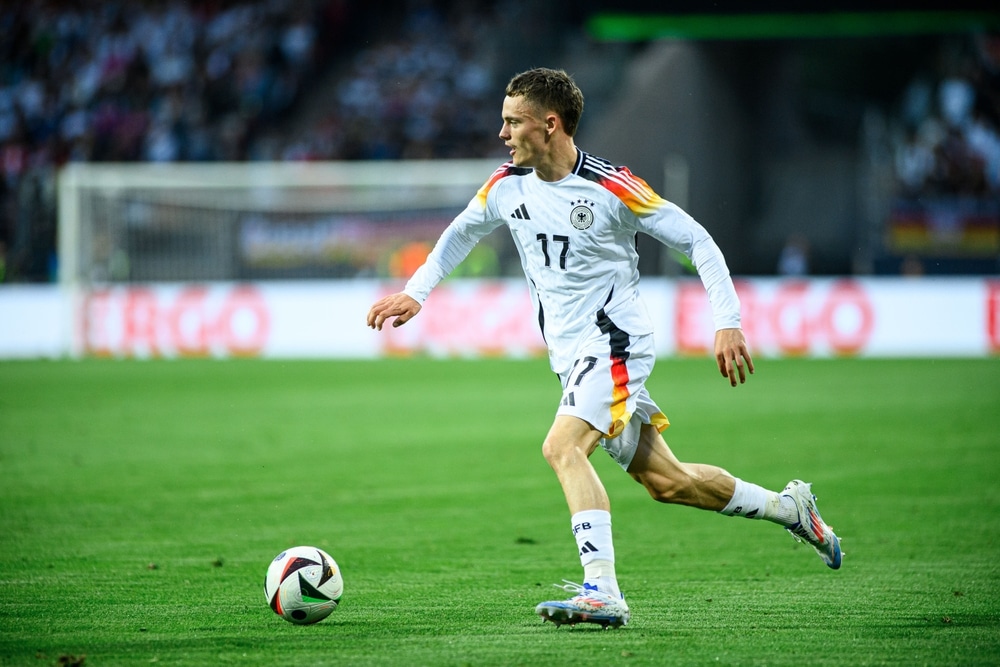
On paper, Germany’s 7-1 demolition of Curacao looks like the statement of a contender. However, the performance wasn’t as flawless as the scoreline suggests. While Julian Nagelsmann’s side possesses the raw talent to overwhelm a team ranked 82nd in the world, a certain lack of discipline remains a concern for the three-time champions.
The bright spots were undeniably brilliant. Felix Nmecha opened the scoring in the sixth minute with a superb curling effort, and Jamal Musiala’s low strike for the fourth goal showcased the kind of precision that would beat world-class keepers. Germany’s aerial threat was equally potent, exemplified by Nico Schlotterbeck’s commanding header from a set piece. Beyond the goals, Jonathan Tah’s distribution from the back was sharp, frequently finding Leroy Sane in dangerous positions, while Kai Havertz operated effectively as a link man from the penalty spot.
However, Curacao provided a blueprint for how better teams might hurt this German side. Despite the talent gap, Dick Advocaat’s squad—composed largely of professionals from the Dutch and English leagues—exposed Germany’s “floor.” The equalizing goal from Livano Comenencia was a product of defensive lethality; Nathaniel Brown failed to close down Sherel Floranus, leaving Schlotterbeck isolated. For a brief period, Germany looked rattled. While the sheer volume of German goals eventually buried the narrative, the vulnerability behind their fullbacks remains a target for higher-tier opposition.
Ultimately, the match confirmed what was already suspected: Germany is an offensive juggernaut capable of electric football, but they have yet to prove they can maintain the defensive intensity required to avoid the upsets that have plagued them in recent years against the likes of Poland, Austria, and Colombia.
Netherlands Fail to Close Out Leads Against Resilient Japan
The Dutch faced a significantly steeper challenge in their opener against Japan. In a match that lived up to its billing as a group-stage highlight, a late Daichi Kamada goal ensured the points were shared in a 2-2 draw. While Germany’s match reinforced existing narratives, the Netherlands’ performance introduced new tactical intrigue, particularly regarding their attacking options.
Crysencio Summerville was the standout story. Making his senior debut just 11 days prior, the West Ham winger scored a spectacular goal to put Ronald Koeman’s side ahead for the second time. His directness and aggression on the right flank added a dimension that the Dutch attack has often lacked. Combined with Cody Gakpo’s driving runs from the left and Donyell Malen’s instinct for finding shooting space, the Oranje’s front three looked more formidable than many anticipated.
However, the defensive solidity and game management required to protect a lead were absent. A lapse from Micky van de Ven allowed Daizen Maeda to stay onside during Keito Nakamura’s first equalizer, and Koeman’s second-half substitutions seemed to diminish the team’s control. As Ryan Gravenberch and Tijani Reijnders left the pitch, the midfield influence of Quentin Timber and Teun Koopmeiners failed to materialize.
Japan’s Hajime Moriyasu seized the momentum by shifting to a two-man front line and introducing Junya Ito to stretch the play. The statistics tell a clear story of the shift in momentum: before Summerville’s goal, the Netherlands dominated touches in the attacking third (162 to 72). After taking the lead, they allowed Japan 62 touches in their territory while managing only 31 of their own. By failing to utilize fresh legs like Brian Brobbey earlier, and with Memphis Depay struggling to impact the game, the Netherlands invited the pressure that eventually led to the draw. If the Dutch are to exceed expectations, they must find a way to maintain their performance levels for the full 90 minutes.
Both Germany and the Netherlands exit their opening fixtures with their reputations largely intact but their weaknesses exposed. Germany’s path to glory depends on defensive discipline, while the Netherlands must solve their depth and game-management issues if they hope to survive the grueling knockout stages of this World Cup.