






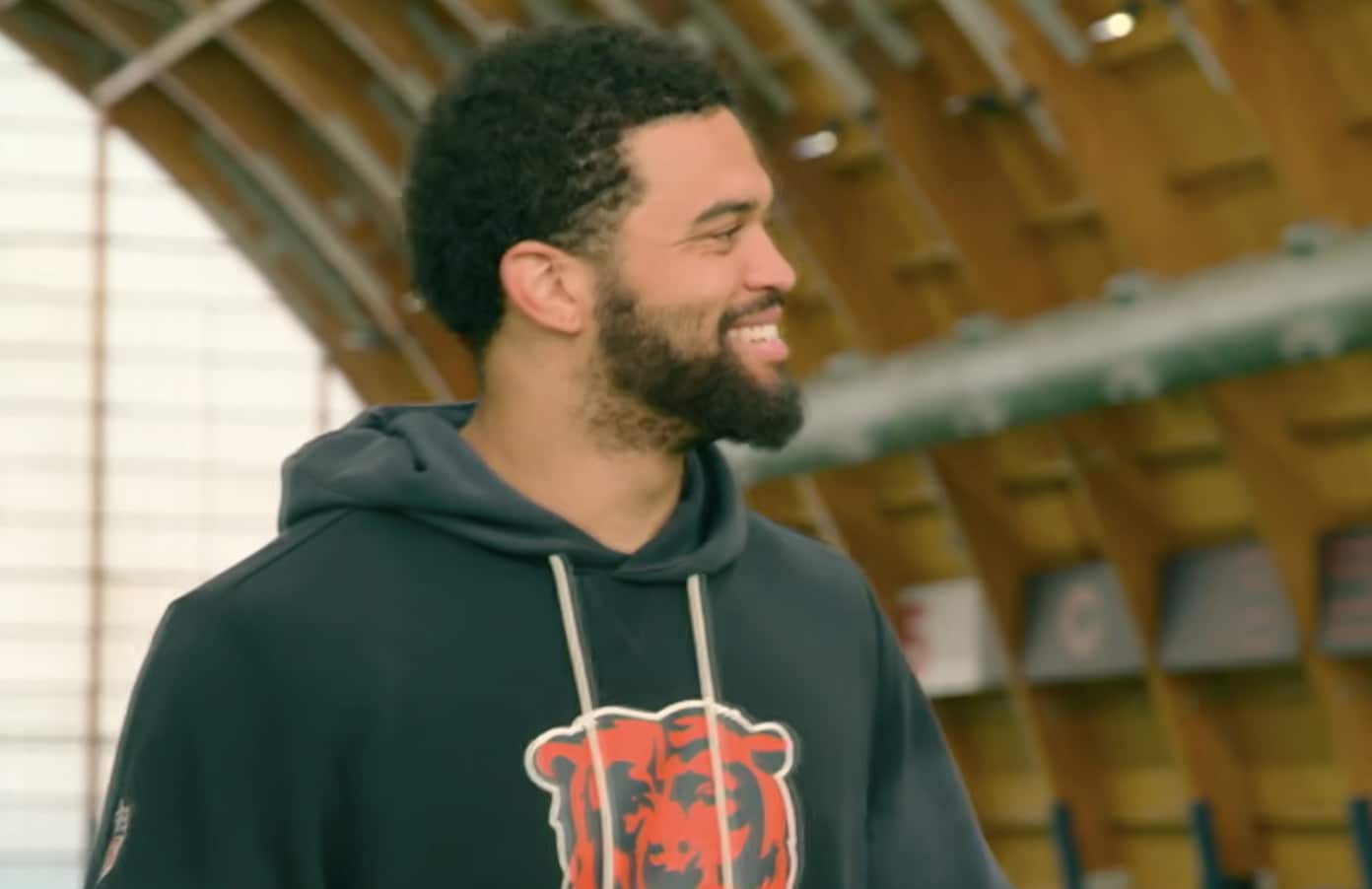
Chicago Bears quarterback Caleb Williams has encountered a regulatory hurdle in his pursuit of brand expansion. The rising NFL star recently sought to trademark the moniker “Iceman” to launch a diverse range of products, including a signature clothing line, athletic equipment, sports bags, and various entertainment ventures. However, the United States Patent and Trademark Office (USPTO) has initially denied the application.
The USPTO’s decision to block the filing stems from a “likelihood of confusion” with an existing trademark held by LaCrosse Footwear. That company has maintained rights to the “Iceman” name since 1988, specifically for its line of insulated boots. While other sports icons—including NBA legend George Gervin and UFC Hall of Famer Chuck Liddell—have associations or filings related to the nickname, it was the footwear company’s long-standing claim that triggered the refusal.
According to the official refusal letter, the USPTO determined that the marks are identical in their phonetic sound, visual appearance, and underlying meaning. The office noted that because the names are indistinguishable, they would likely create the same commercial impression for consumers, even when applied to the different goods and services proposed by Williams.
Despite this initial roadblock, legal experts suggest the situation is far from over. Josh Gerben, a prominent trademark attorney at Gerben IP, noted that initial denials from the USPTO are a common part of the process. While LaCrosse Footwear’s claim on the name is specific to insulated boots, Gerben suggested that Williams might still secure registration for other categories within his application that do not directly overlap with the footwear brand’s niche.
Williams is currently in the third year of a lucrative four-year rookie contract valued at $39.4 million, which featured a substantial $25.5 million signing bonus. This trademark attempt highlights a broader, business-first strategy employed by Williams and his representatives to maximize his earning potential through personal branding and intellectual property.
The former Heisman Trophy winner has already translated his collegiate success at USC into a formidable professional career. Through 36 games in Chicago, Williams has accumulated 8,108 passing yards, 51 touchdowns, and 18 interceptions. His impact on the franchise has been immediate; after a developmental 5-12 rookie campaign in 2024, he led the Bears to an 11-6 record and an NFC North title last season. His postseason resume already includes a victory over the Green Bay Packers and a high-stakes performance against the Detroit Lions, where his late-game heroics nearly secured a trip to the conference championship.
Analyzing Caleb Williams’ Rapid Rise in the NFL
Following a standout season under the guidance of offensive coordinator Ben Johnson, Williams is increasingly mentioned as a top-tier contender for the 2026 MVP award. The Bears’ decision to maintain coaching continuity provides Williams with a rare advantage: a second consecutive year in the same system. Historically, elite quarterbacks often experience their most significant statistical growth during their second full offseason within a complex offensive scheme.
Williams demonstrated this potential during the latter half of last season, blending improved pocket discipline with the creative, off-script playmaking that led to him being selected as the top overall pick. With a supporting cast of explosive playmakers and a scheme designed to stretch defenses, Williams is positioned to challenge for the league lead in several passing categories.
The “Iceman” nickname itself is a reflection of his poise in high-pressure moments. His ability to engineer fourth-quarter comebacks has solidified his reputation as one of the league’s most composed young leaders. If Williams continues to deliver clutch performances while elevating his statistical output, he could become the first Chicago Bears player to win the MVP award in nearly half a century.
Summary of Branding Challenges and Career Trajectory
While the initial “Iceman” trademark refusal presents a temporary challenge for Caleb Williams’ off-field business ventures, his trajectory on the field remains exceptionally bright. The legal process for trademarking a famous moniker is often iterative, and Williams’ team will likely refine their application to navigate existing protections. Ultimately, his brand power is inextricably linked to his performance; as he continues to establish himself as a premier NFL quarterback and a legitimate MVP candidate, his commercial influence will likely continue to expand, regardless of the specific brand name he adopts.